Dental Implants · Taman Tun Dr Ismail · Since 1996
Dental implants in TTDI
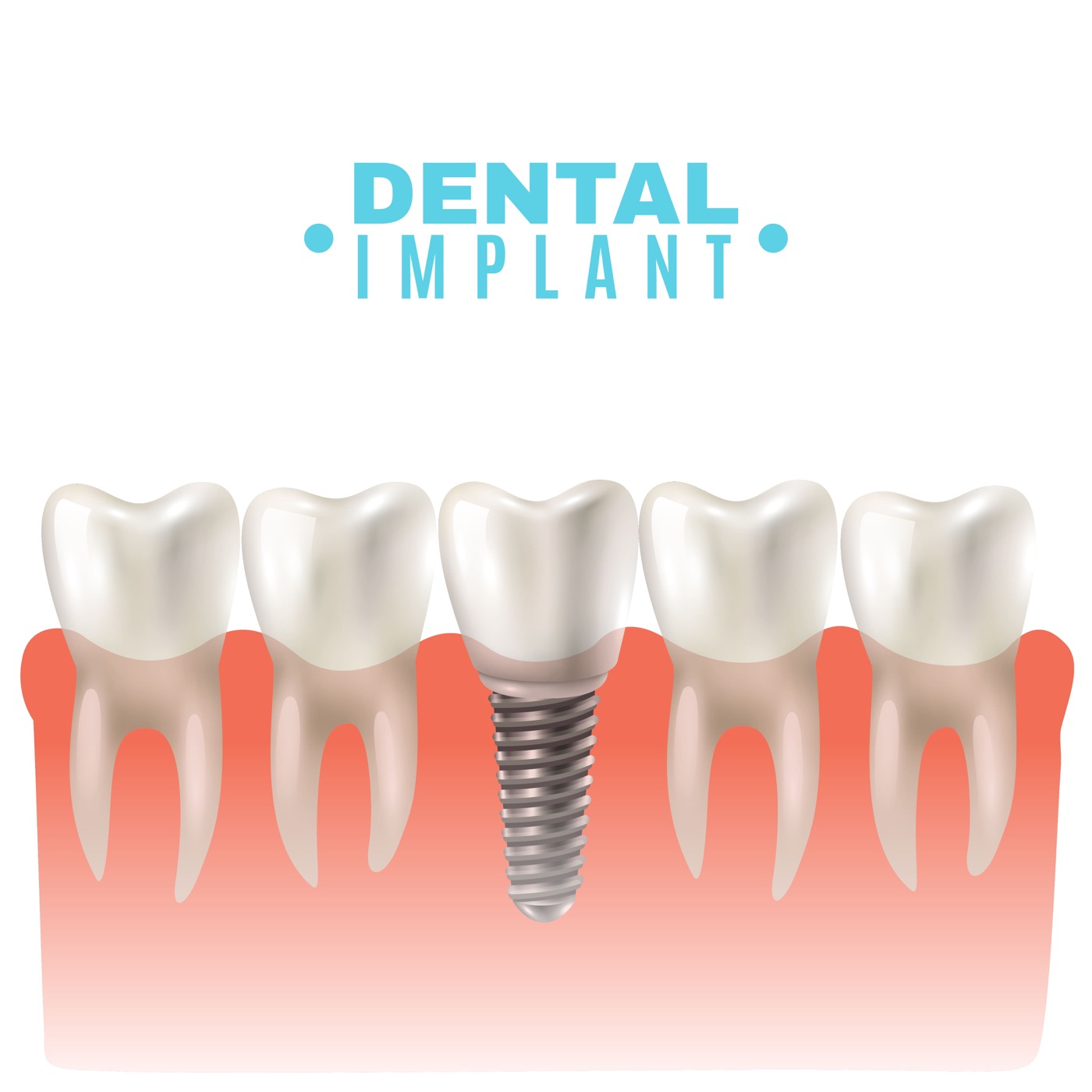
A dental implant is a small post, usually titanium, placed in the jawbone to hold a crown, bridge or denture where teeth are missing. Your dentist checks your gums, bone and health to see whether it suits you.
1Consultation and planYour dentist checks the gap, your gums, bite and medical history, and may take X-rays or a 3D scan to see the bone. You receive a treatment plan, and your fee is confirmed before treatment starts.
2Implant placementThe implant is placed in the jawbone, usually under local anaesthetic. Your dentist tells you whether a temporary tooth is possible while it heals.
3HealingThe implant is left to bond with the bone, which usually takes a few months. Your dentist checks how it is healing.
4New tooth and careOnce it has healed, your crown, bridge or denture is made to fit and attached to the implant. Then clean around it daily and keep regular check-ups.
A single tooth or a full jaw?
A single tooth
One implant holds one crown to replace one missing tooth. It is supported by the bone rather than by the teeth beside the gap.
A full jaw
All-on-4 uses four implants to hold a fixed set of teeth across the upper or lower jaw, for people missing most or all of the teeth in that jaw. Suitability depends on your bone and health, and the plan and fee are confirmed after assessment.
Your dentist advises which suits your teeth.
Good to know
Your dentist explains what your fee covers. Treatment you may need first, such as an extraction or treating gum disease, is explained with its fee before you start.
Tell your dentist about your health and any medicines: some conditions, such as uncontrolled diabetes, can affect healing.
Implants need daily cleaning like natural teeth. Your dentist may suggest special floss, an interdental brush or a water flosser.
We take card instalments and Atome.
Questions about dental implants
What is a dental implant, and how does it work?
A dental implant is a small post, usually titanium, placed in the jawbone where a tooth is missing. Over a few months it usually bonds with the bone. A connector called an abutment then joins it to a crown, bridge or denture. Because it sits in the bone, it does not rely on the teeth beside it for support.
Am I suitable for dental implants?
Implants may suit you if you have one or more missing teeth, a tooth that cannot be saved, or dentures that feel loose. Your dentist checks your gums, the bone in your jaw and your general health. Gum disease is treated first, and some conditions and medicines can affect healing. If there is not enough bone, your dentist explains the options for you.
Do dental implants hurt?
The area is usually numbed with local anaesthetic during the procedure. Afterwards some swelling, bruising or soreness can occur, usually for a few days, much like after an extraction. Your dentist gives you aftercare instructions, such as eating soft foods and taking pain relief as advised. If you feel anxious, tell the team so they can explain each step.
How long do dental implants last?
It depends on your health, your bite and how you look after them. Brush and clean around the implant every day, and keep regular check-ups so your dentist can spot problems early. The crown, bridge or denture on top may need repair or replacement over time. Your dentist explains what to expect for your mouth.
What is All-on-4?
All-on-4 uses four implants to hold a fixed set of replacement teeth across the upper or lower jaw. It may suit you if you have lost most or all of the teeth in one jaw, or your dentures feel loose. A temporary set of teeth may be possible while the implants heal, but not for everyone. Your dentist assesses your bone and health and talks you through the options that suit you.
Can I book an implant consultation?
Yes. Message our TTDI clinic with your concern and preferred appointment date. The team will help arrange an assessment.
Why patients choose us
Care you can check
Dr KamsiahProsthodontist · BDS, MDSc (University of Malaya)