
How Braces Straighten Teeth and Improve Your Oral Health

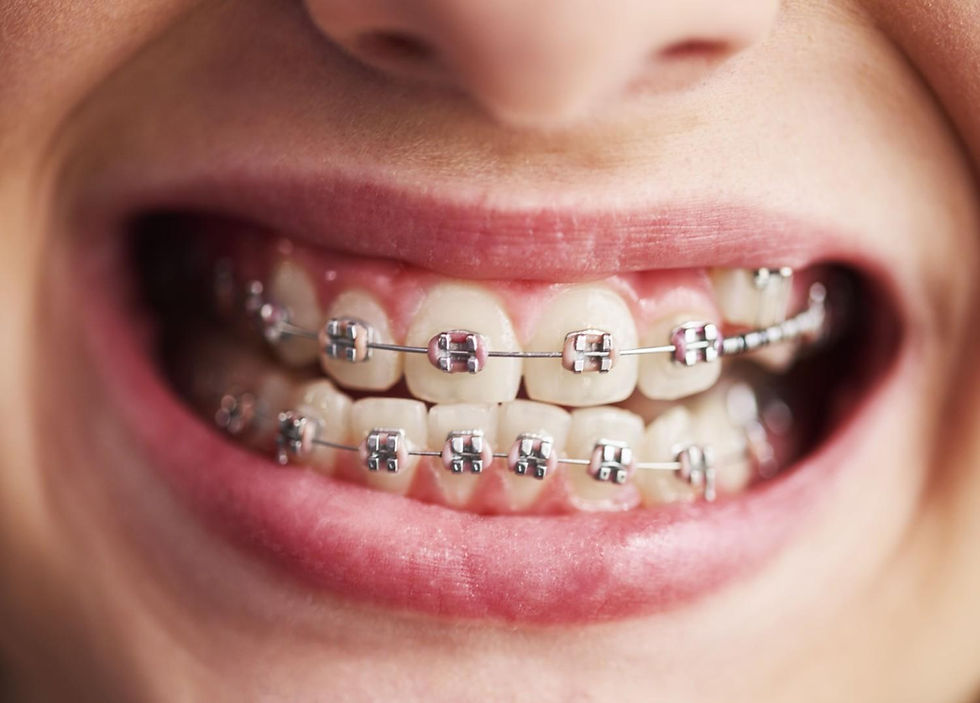
Braces are often seen as a cosmetic treatment, but they offer far more than just a beautiful smile. Understanding how braces work can help you appreciate the significant impact they have on your overall oral health. At a leading dental clinic in Malaysia, orthodontic treatment is designed to correct misalignment, improve function, and prevent future dental problems.
If you are considering braces for yourself or your child, this guide will explain the science behind how braces straighten teeth and the many ways they contribute to better oral health.
What Are Braces and How Do They Work?
Dental braces use a system of brackets, wires, and elastic bands to apply gentle, continuous pressure on your teeth over time. This pressure gradually shifts your teeth into their correct positions, creating a straighter, healthier smile.
The process works through bone remodelling, where the pressure from braces triggers your body to break down and rebuild the bone around your teeth. This allows teeth to move safely and permanently into better alignment.
At Dr Kamsiah Dental Specialist Clinic, we offer both conventional braces and self-ligating braces, giving you options that suit your budget, lifestyle, and treatment goals.
The Science Behind How Braces Straighten Teeth

Bone Remodelling Process
When braces apply pressure to a tooth, it triggers a biological response in the surrounding bone:
Osteoclasts break down bone: On one side of the tooth, these cells create space for movement
Osteoblasts build new bone: On the opposite side, these cells support the tooth in its new position
Gradual movement over months: This process takes time to ensure safe, lasting results
Rushing the process can damage the teeth and surrounding structures, so patience is essential for achieving the best outcome.
Periodontal Ligament Role
The periodontal ligament is a thin layer of connective tissue that sits between your tooth root and the jawbone:
Compresses on one side: When braces apply pressure, the ligament signals bone remodelling
Stretches on the other side: This creates space for the tooth to move
Adapts to new position: Over time, the ligament anchors the tooth securely in place
This is why wearing a retainer after braces is crucial to prevent teeth from shifting back to their original positions.
Common Dental Issues Braces Can Correct
Braces are highly effective at treating a wide range of orthodontic problems that affect both appearance and function.
Crowded Teeth
Teeth overlap or twist due to a lack of space in the jaw
Difficult to clean properly, increasing risk of plaque buildup
Braces create space and align teeth for better oral hygiene
Gaps Between Teeth (Diastema)
Caused by missing teeth, small teeth, or an oversized jaw
Can affect appearance and bite alignment
Braces effectively close gaps and improve function
Overbite
Upper front teeth overlap lower front teeth excessively
Can lead to jaw pain, uneven tooth wear, and chewing difficulty
Braces reposition teeth and jaw for a balanced bite
Underbite
Lower teeth protrude beyond upper teeth
Affects speech, chewing, and facial symmetry
Orthodontic treatment corrects the bite and improves function
Crossbite
Some upper teeth sit inside lower teeth when biting down
Causes uneven tooth wear, gum recession, and jaw discomfort
Braces realign teeth to create a proper, healthy bite
Open Bite
Front teeth do not meet when the mouth is closed
Often caused by thumb sucking or tongue thrusting
Affects speech and the ability to bite into food
Braces close the gap and restore normal function
How Braces Improve Your Oral Health

Beyond creating a straighter smile, braces offer significant long-term benefits for your oral health.
Easier Cleaning and Better Hygiene
Straight teeth are much easier to brush and floss effectively
Eliminates hard-to-reach areas where plaque and food particles can trap
Reduces the risk of cavities and tooth decay
Makes daily oral hygiene simpler and more effective
Reduced Risk of Gum Disease
Misaligned teeth create pockets where bacteria accumulate
Properly aligned teeth support healthier gums
Better cleaning reduces bacterial buildup
Lowers the risk of gum inflammation, infection, and periodontal disease
Improved Chewing Function
Properly aligned teeth allow efficient chewing
Aids digestion and nutrient absorption
Reduces strain on jaw muscles
Prevents jaw joint problems such as temporomandibular joint disorder (TMJ)
Prevention of Tooth Wear
A misaligned bite causes excessive wear on certain teeth
Weakens enamel and increases the risk of fractures or sensitivity
Braces distribute biting forces evenly across all teeth
Protects teeth from premature damage
Enhanced Speech
Teeth play an important role in pronunciation and clarity
Misalignment, gaps, or bite issues can affect speech
Braces correct these problems for clearer communication
Increases confidence in social and professional settings
Jawbone Health
Properly aligned teeth maintain jawbone health and density
Misaligned or missing teeth can cause bone deterioration over time
Braces preserve bone structure by ensuring correct positioning
Supports long-term facial structure and oral function
The Braces Treatment Journey at Dr Kamsiah Dental Clinic
Your journey to a straighter, healthier smile begins with a comprehensive consultation:
Initial assessment: Our orthodontic team evaluates your teeth and bite
X-rays and 3D scans: Advanced imaging creates a customised treatment plan
Brace fitting: Brackets and wires are carefully placed on your teeth
Regular adjustments: Visit every four to six weeks to monitor progress
Retention phase: Wear a retainer after braces to maintain results
Why Choose Dr Kamsiah for Braces in Malaysia?
Dr Kamsiah Dental Specialist Clinic in TTDI, Kuala Lumpur, offers:
Experienced orthodontic team dedicated to exceptional results
Both conventional braces and self-ligating braces are available
Transparent pricing with flexible payment plans
Proven patient transformations and quality care
Convenient location in TTDI, Kuala Lumpur
Book your free consultation today and take the first step towards a healthier, more confident smile.
FAQs
How long does it take for braces to straighten teeth?
Treatment duration varies depending on the complexity of your case, but most patients wear braces for 18 to 24 months. Some cases may be shorter or longer. Regular adjustments every four to six weeks ensure steady progress towards a straighter smile.
Do braces hurt when straightening teeth?
You may experience mild discomfort or soreness for a few days after getting braces fitted or after adjustment appointments. This is normal as your teeth begin to shift. Over-the-counter pain relief and soft foods can help manage any discomfort during this period.
Can braces improve oral health beyond straightening teeth?
Yes, braces significantly improve oral health by making teeth easier to clean, reducing the risk of cavities and gum disease, improving chewing function, preventing uneven tooth wear, and supporting better jawbone health. Straight teeth contribute to long-term dental wellness.
What happens after braces are removed?
After your braces are removed, you will need to wear a retainer to maintain your newly straightened teeth. Retainers prevent teeth from shifting back to their original positions. Your orthodontist will provide specific instructions on how long and how often to wear your retainer.
Are braces suitable for adults or only children?
Braces are suitable for both children and adults. Many adults in Malaysia are now choosing orthodontic treatment to improve their smile and oral health. Modern options like self-ligating braces and clear aligners offer discreet solutions for adult patients.


Comments